


On the 9th of August every year, South Africa pauses to honour Women’s Day. It’s a day that celebrates the bravery of women who, in 1956, marched to the Union Buildings in Pretoria to protest against unjust laws. For me, Women’s Day is about recognising the women whose courage and grit have shaped my own path.
This year’s tribute is deeply personal. It coincides with another anniversary: my mum passed away six years ago on 31 July. She was my first example of strength: a decisive, devoted woman who gave up her job to commit fully to her family. But as much as my mother shaped me, the source of her strength came from her mother. My grandmother.
This story is about her.
Returning After 30 Years
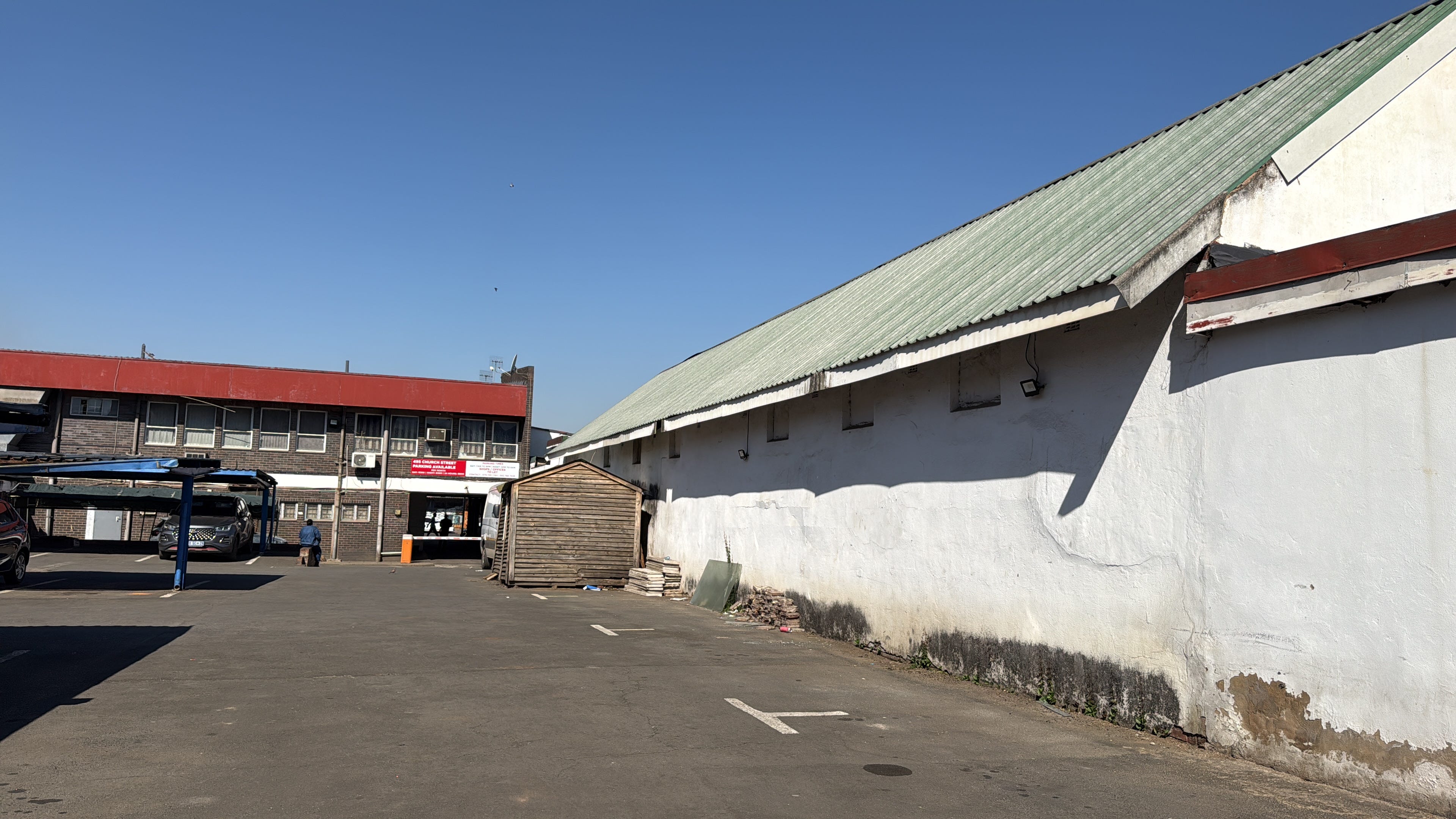
Last week, I did something I hadn’t done in three decades. I flew into Durban, rented a car, and drove to Pietermaritzburg to walk the streets of my childhood. I wanted to see, with my own eyes, the places that defined the woman my grandmother was. Some things had changed. Others were exactly as I remembered.

Born into Hardship
My gran was a South African woman of Indian origin, born into poverty in a small wooden-and-iron house in Northdene, Durban. She married my grandfather, a cobbler, at a time when the world was different in ways that stacked the odds heavily against her. She lived under two oppressive systems: a patriarchal marriage and a deeply apartheid South Africa.
But she refused to live only by the standards those systems imposed. She learned to drive, secured a van (the details of how are still a mystery to me), and started selling vegetables door-to-door. That was her first business. It ended after an accident, but her entrepreneurial spirit didn’t.
Building the Shoe Business
After my grandfather passed away, my gran took his modest shoe repair trade and transformed it into something much bigger. She would buy cheap, often mismatched shoes in Pietermaritzburg, sometimes single shoes without pairs, and set up a small production line to pair them, repair them, and prepare them for sale.
As children, we were part of that process: matching shoes, boxing them, making them ready for market. Customers travelled from far and wide, sometimes across borders, because apartheid South Africa restricted access to basic goods. My gran knew where and how to sell in bulk, and her business thrived.
From Modest Beginnings to Global Adventures
Through sheer drive, she transformed her life. She renovated her home into something beautiful, complete with a swimming pool. She took her children and grandchildren on wonderful holidays, drove top-of-the-line cars, and wore the best perfume (Christian Dior was her favourite). She travelled extensively, often by ship in the days before air travel was common.
We would later find photographs of her with celebrities, souvenirs from Olympic Games, and beautiful furniture from around the world. She wasn’t running a corporate empire, but she built a life of abundance from a starting point of almost nothing.

Growing Up in a Matriarchal World
Here’s what’s fascinating: I never grew up seeing women as anything other than powerful. My family operated in a matriarchal system my gran had built. Her sisters and my mum were all strong, decisive women. For me, it wasn’t even a question that women could lead. That’s the lens I grew up with, and why Women’s Day isn’t an abstract commemoration for me. It’s a lived reality.
The Lessons She Left Me
No story is perfect. My gran’s business eventually didn’t pass on as a family heirloom, largely because she lacked systems that could sustain it without her. But even in that, there were lessons. Her life gave me three core pillars that underpin my Substack:
1. Mindset — Produce before income.
She showed me the entrepreneurial truth: value first, money after. Instead of awaiting a paycheck, she took a leap of faith. She delivered value first and then she was paid.
2. Systemisation — Build structures that last.
She was brilliant at spotting opportunities, but weak in creating systems to keep them alive. Seeing that gap made me obsessive about systemisation, both in method and in technology.
3. Positioning — Speak in your customer’s language.
She understood her market deeply. Whether her customers came from nearby townships or neighbouring countries, she spoke in their language, on their terms. It wasn’t theory for her. It was survival and service.
Why This Matters
One of my deepest convictions is that denying people the right to trade is one of the fastest ways to subdue them. Apartheid’s laws made that painfully clear. So many communities were denied access to a better life only by denying these communities access to the markets - to the freedom to trade.
Watching my gran navigate, defy, and eventually thrive within that system is why I am so fiercely committed to entrepreneurship. For individuals, for communities, for societies: trade is freedom. This explains my deeply personal calling. It is why I write this Substack.
So this Women’s Day, I’m remembering not just my gran’s grit, but her joy. Not just her hard work, but the way she insisted on living fully. She didn’t just survive the systems she was born into… she built something beyond them.
And that spirit, in more ways than I can count, built me.
Make it rAIn
Everything I say here on Make it rAIn, about delivering value first, about building systems, about speaking to your market in their language, isn’t just theory or business strategy. It’s part of a legacy. My gran conveyed these truths without ever calling them by fancy names. She showed me that rainmakers aren’t born in boardrooms.
They’re forged in everyday acts of courage, in finding ways to trade when trading isn’t easy, and in refusing to wait for permission to create something valuable. That’s the spirit I carry into my work today and it’s the same spirit I hope you’ll carry into yours.
Now, make it rAIn, KG